
Ringmer Coving Installation (BN8): The even, harsh lines seen where walls meet ceilings can often seem harsh to some property owners, and the classic way of solving this is to soften them by fitting decorative mouldings and coving. Many homes in Ringmer make effective use of coving, though the trend has gone in & out of fashion throughout the years, today it might be unfashionable, tomorrow it may be the hot interior design choice. Obviously the decision of whether or not you ultimately have coving installed in your home is down to personal choice. Sharp, contemporary lines or rounded, classic transitions? The choice is yours!

What is Coving? - Coving, which is available in 2 or 3m lengths, is an ornamental moulding which is predominantly used to cover or conceal the 90 degree angle where a wall meets a ceiling. Coving are available in a wide variety of materials including paper covered plaster, gyproc, plastic, timber, hardened polyurethane, extruded PVC, MDF, expanded polystyrene, and duropolymer.
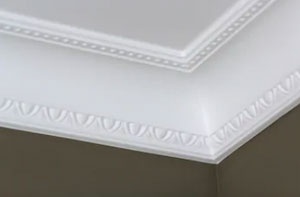
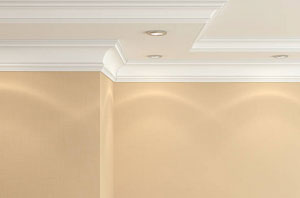
Coving involves much more than just improving the aesthetic value of a space since it also conceals imperfections in the way walls and ceilings are joined. In a vintage property, coving could provide a neat & decorative way to ensure a more sophisticated look of the home while creating a clean finish. It doesn't matter if one is working on a renovation of an old property or a contemporary dwelling in Ringmer because a well-placed coving adds sophistication and style to any space.
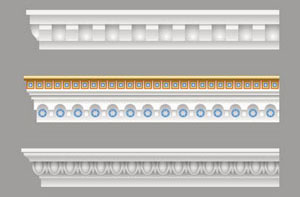
Along with the wide range of materials comes a jaw-dropping range of shapes and designs such as cavetto, ovolo, cyma recta, ogee, egg & dart, step, Victorian, Edwardian, art deco, and dentil.
Coving can provide the perfect finishing touch to a room's interior design, bringing a subtle yet striking effect. Coving's curved shape can offer a polished finish to your home by softening the lines between ceilings and walls. The abundance of patterns & materials available for coving can make choosing the best one for your property a daunting task. It's essential to consider the style of your home and your personal preferences when making your choice. To ensure the best results, it's crucial to complete the coving installation process to a high standard.
All these choices can make it difficult to make up your mind about exactly what it's that you want. You shouldn't proceed with an assignment like this without seeking the advice of a specialist Ringmer coving fitter. In any case, we can offer you the finest tips & advice right here, so that your property in Ringmer can get a great looking coved finish.
It might be that you already have coving in your home & you simply need a local Ringmer coving installation specialist to carry out repairs or restoration. As well as caring for the other decorative features of your home, coving & mouldings need some TLC now & again. For example, you may need the restoration of coving, ceiling roses, dado rails, cornices, picture rails, panel mouldings, fire surrounds, corbels, dado corners, or wall plaques.
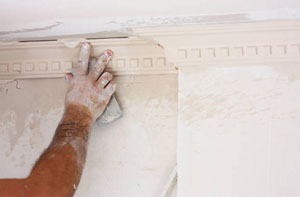
Your best choice of tradesman for this type of project is a specialist coving fitter in Ringmer, although you could also use a joiner (for wood mouldings), a painter/decorator, or a plasterer. You should not employ anybody who is not experienced in work of this nature. It's painstaking work fitting coving & in order to get a high quality finish, it must be done carefully & attentively.
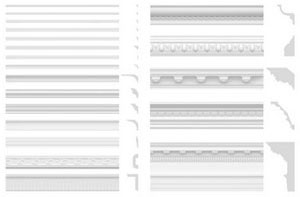
Cleaning the walls & ceilings is one important step before coving can be finished. More specifically, the wall should be dry, clean, and as level as possible for greater adhesive property. Skilled coving installers from the Ringmer area will perform precise checks of the room, including measurements, drawings the lines, and cutting mitres in the corners. Following the preparations will allow getting seamless binding that doesn't need filling while painting.
An error that many people make as soon as the estimates are in, is automatically going for the cheapest coving fitter in Ringmer Going for the cheap option can mean you end up getting a shoddy standard of workmanship & have to call in someone else to put it right. In the final analysis, if you want the final effect of your coving to be amazing, you need to pick the right tradesman for the job.
When you are on the lookout for plasterers or coving fitters in Ringmer, there are a variety of ways in which you can do it for instance you can take a look in local newspapers or directories, you can try one of the trade review portals like Rated People or Checkatrade, you can search on Social Media such as Facebook, or you can pay a visit to the FMB (Federation of Master Builders) website and search for vetted and approved local plasterers and coving installers. You can look for coving products such as packs of coving, coving adhesive, coving corners, coving mitre tools, and cornices by going to B&Q, Wickes, Jewson or Coving Direct, and you are able to purchase equipment and tools for plastering & coving (if you fancy having a go yourself) by browsing the websites of Screwfix, Tool Station or Artex Ltd.
The Advantages of Professional Installation
The intricacy of the coving project, budgetary constraints and an individual's proficiency predominantly determine whether to choose DIY or professional installation.
- Expertise and Precision: Professional coving fitters contribute extensive expertise and know-how. Skilled in managing various different coving materials, such as the heavier plaster, they're crucial for precise installation. Accuracy in measurements and cuts is their forte, particularly vital for complex patterns or fitting coving in irregular spaces.
- Time Efficiency: Engaging a professional can greatly shorten the duration required to complete the project, as they possess the appropriate methods and tools to speed up the process, especially advantageous for extensive or complicated installations.
- Quality Assurance: Opting for professional installation usually means a guaranteed level of quality. The experts in this area are capable of producing an excellent finish, with the coving aligned and secured correctly, important for an elegant look & the coving's extended lifespan.
- Safety: The process of installing coving typically involves the use of heavy materials and working at height. Trained professionals are capable of safely conducting work in such situations, which reduces the risk of accidents occurring.
- Cost Implications: The primary drawback of coving installation by a professional is the cost. It can be substantially more expensive than a DIY approach, particularly if the coving material itself is a higher priced option like plaster.
Ultimately, it gives property owners in Ringmer some peace of mind knowing that the coving they have had installed will both fit in with the design of their property in addition to last for a long time. Reading customer reviews, asking for examples of previous work & collecting a few quotes can all be beneficial steps to take before arriving at a decision about who to hire.

Coving installation can be carried out in Ringmer & also in: Broyle Side, Glyndebourne, Halland, Cooksbridge, Isfield, Whitesmith, South Chailey, Little Horsted, Rodmell, Barcombe, Glynde, Lewes, Laughton, Stoneham, Norlington, and in these postcodes BN8 5NE, BN8 5HX, BN8 5LH, BN8 5NG, BN8 5PJ, BN8 5HQ, BN8 5NT, BN8 5QS, BN8 5HY. Locally based Ringmer coving specialists will most likely have the postcode BN8 & the telephone dialling code 01273. Checking this out will ensure that you access local coving fitters. Ringmer property owners can utilise these and lots of other comparable services.
DIY Coving

It's on no account inconceivable for you to have a go at installing coving by yourself (if you are feeling confident). Coving is available to purchase from several moulding companies online, and from most home improvement stores in the Ringmer area. You can buy coving in 2 or 3 metre straight strips and with some designs you can also buy the corners ready cut. Coving adhesive and gap filler will also be needed to complete the work. Coving adhesive is offered ready mixed in a tub, in sealant gun cartridges, or in powder form to be mixed as required.
There is undoubtedly plenty of info on the internet giving you tips on how to put up coving and cornices, as well as descriptive tutorials and videos to help you as you go. Recently we noticed this illuminating post which could be helpful.
Polyurethane Coving
Polyurethane is a lightweight, synthetic polymer known for its versatility and durability. Offering several important advantages, polyurethane coving mimics the elaborate patterns of traditional plaster coving.
Benefits of Polyurethane Coving:
- Lightweight: Say farewell to heavy lifting! Polyurethane coving boasts a dramatically lighter weight compared to plaster. This translates to easier handling and installation, especially for do-it-yourself fans. Furthermore, the lighter weight minimises the risk of damage to your ceilings and walls during the fitting process.
- Durability: While traditional plaster coving can succumb to the effects of time, becoming brittle and prone to damage, polyurethane offers a superior solution. Its exceptional resistance to chipping, cracking and warping guarantees lasting stability and strength for your coving.
- Resistance to Moisture: Humidity can do significant harm to conventional coving materials. Polyurethane, however, stands strong. Completely unaffected by moisture, it's the perfect solution for bathrooms and kitchens, where humidity levels can fluctuate.
- Low Maintenance: The care required for polyurethane coving is negligible, unlike plaster that can easily deteriorate; it simply needs occasional dusting or wiping with a moistened cloth.
- Cost-Effective: Whilst the initial price of polyurethane coving per metre may be slightly higher than basic plaster, consider the overall picture. The ease of installation and lower risk of damage during fitting translate to significant cost savings in the long term.
- Versatility: Polyurethane coving comes in a broad range of styles, from contemporary, minimalist profiles to classic Victorian designs. This allows you to find the ideal coving to complement your existing d�cor.
- Pre-Primed: Simplify your painting project with pre-primed polyurethane coving. This takes away the need for priming beforehand, allowing you to apply your preferred topcoat directly for a quick and simple path to a dazzling finish.
- Easy Installation: Polyurethane coving caters to both do-it-yourselfers and professionals. Simple tools and readily available adhesives make it suitable for self-installation. However, for advanced projects and intricate designs, professional expertise ensures immaculate results.
Offering a practical & visually appealing alternative, polyurethane coving stands out against standard plaster coving. The logic behind polyurethane coving's popularity are obvious: easy installation, durability, and a wide selection of styles. This trio of benefits makes it a top choice for both householders seeking a practical solution and interior designers looking to elevate any room. Carefully planned and flawlessly installed, polyurethane coving has the remarkable ability to transform any room in your Ringmer home, giving it a hint of timeless elegance & sophistication.
What is the Difference Between Coving and Cornice?
A cause of endless confusion to people in Ringmer, and a question that we are regularly asked is "Exactly what is the difference between cornice & coving?" The answer to this query is that they are essentially the same thing. The main detail that separates the two is that a coving normally has a simple shape, whilst a cornice is frequently more fancy and ornate. In Ringmer in the post-world war period, the expression coving was formerly used for a plain "C" shaped concave moulding that was extremely popular at the time. Cornices, on the other hand, are often exceptionally complex mouldings that must be put up by a specialist craftsman in Ringmer if they are to be installed properly. (Tags: Cornice Installation Ringmer).
Plaster Cornice Repair
Maintaining the aesthetic appeal of a building's interior involves essential plaster cornice restoration. Cornices, the ornamental molding found at the joint between ceilings and walls, are vulnerable to damage caused by wear and tear, accidental impact or moisture.
Repairing a plaster cornice requires the expertise of a skilled craftsman who can carefully assess the extent of the damage & devise a suitable restoration plan. Repairing a plaster cornice involves a standard process of cleaning the area, removing damaged or loose plaster, and filling the gaps with new plaster. Matching the original features of a cornice during repair requires the skill of craftspeople who can replicate intricate patterns & designs.
Failure to repair damaged cornices can lead to its further deterioration & impact the safety & structural integrity of the property. Any refurbishment work on a plaster cornice requires the expertise of a specialist, making it crucial to seek their help.
Maintenance & Repair
The maintenance and repair of coving & cornices are integral to preserving a property's good condition. The elegant touch provided by cornices and coving can be overshadowed by damage, cracks or discolouration that can occur over time.
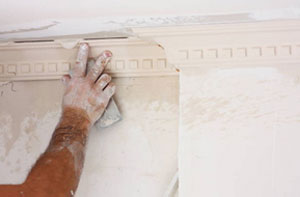
To prevent further damage, it's necessary to carry out regular inspections and quickly make any repairs that are necessary. Depending on the severity of the damage, repairs to coving and cornices can be as simple as filling in cracks & smoothing rough areas, or as complicated as replacing whole sections. Using the correct materials and techniques when repairing cornices and coving is essential to ensure a flawless finish that matches the original design.
Neglecting the upkeep of coving and cornices can cause structural damage that might compromise the building's integrity. Complex repairs or the restoration of historical cornices & coving may necessitate professional services to complete. Proper maintenance & repairs of cornices and coving can preserve their beauty and add value to a property for many years to come.
What Tradesman Puts up Coving?
The various types of tradespeople in the Ringmer area who are involved with the installation of coving are determined partly by the material that is used and how complicated the job is. Specialist coving installers are the best people for the job as they're trained & have the equipment necessary to install the coving properly. Nevertheless many plasterers do save some time on the installation of plaster coving and decorative cornices & appreciate how to install this type of material. Wood coving installation may need the assistance of a skilled carpenter or joiner while experienced painters & decorators can also install light coving. In any case, regardless of the kind of specialist you choose, ensure that you look for someone who has experience and seen their previously completed projects in terms of coving.
Wooden Coving Ringmer
A touch of elegance adorns any room through the decorative element of wooden coving, installed at the intersection of wall and ceiling. Wooden coving comes in various finishes & styles, from contemporary to classic, to suit different tastes & interior designs. The aesthetic appearance of your home is enhanced by wooden coving, which also masks any unattractive joints or imperfections where the wall & ceiling join.
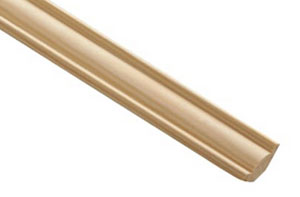
Ensuring a seamless and professional finish with wood coving installation demands precision and skill. The steps include measuring the area, cutting sections of coving to the correct dimensions, and attaching it securely with adhesive & nails. In order to match the coving with your current decorative scheme, careful sanding and painting or staining might also be required. While some DIYers might undertake this project themselves, engaging professional installers ensures a flawless and consistent finish.
Professional installation services take the headache out of fitting timber coving. Bringing both the essential tools and expert knowledge, experienced installers complete the work efficiently & to a superior standard. They manage everything from initial consultation and measurement to the finishing touches, leaving you with beautifully finished coving that enhances the character of your home in Ringmer. Professional installation is a worthwhile investment as it saves time and ensures that the coving is both durable & visually appealing. (Wooden Coving Ringmer).
Gyproc Coving Ringmer
Gyproc coving, a decorative feature, is used to enhance the appearance of the junction between walls and ceilings in Ringmer. Made from plasterboard, it's available in a variety of designs and sizes to fit various room types. Installing Gyproc coving can add a hint of elegance to any space, creating a smooth transition from wall to ceiling & hiding any unsightly cracks or imperfections.
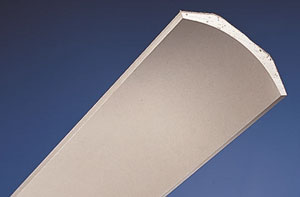
Installing it is a comparatively straightforward process. The coving pieces are trimmed to the dimensions of the room and fixed in position with a strong adhesive. For a perfect finish, gaps and joints are filled and smoothed by sanding. This makes Gyproc coving a straightforward DIY project for home & property owners in Ringmer wanting to improve their interiors' appearance without extensive refurbishments.
There are practical benefits linked to Gyproc coving as well. It can cover cracks that may appear over the years at the ceiling-wall junction, providing a longer-lasting, cleaner look. To allow for further personalisation, coving can be painted to either contrast with or match the decor of the room. Gyproc coving offers an effective & straightforward way to improve a room's beauty and functionality. (Gyproc Coving Ringmer)
Coving Related Tasks

Ringmer coving specialists can usually help with cornice installation, coving refurbishment, the installation of dado rails, coving installation estimates, duropolymer coving, character coving Ringmer, ornate corbels in Ringmer, wooden cornice, picture rails in Ringmer, fancy plaques in Ringmer, ogee coving Ringmer, ornamental plasterwork, plaster cornice repairs, polyurethane coving, traditional coving Ringmer, kitchen cornices, Georgian coving Ringmer, timber coving, coving replacement following renovation or ceiling repair work, bathroom coving, ceiling restoration, coving repairs, Regency coving Ringmer, plaster coving installation for traditional & period properties & other coving related work in Ringmer, East Sussex. Listed are just a small portion of the tasks that are undertaken by local coving fitters. Ringmer professionals will inform you of their full range of services.
 Coving Installation Ringmer
 Coving Installers Near Me
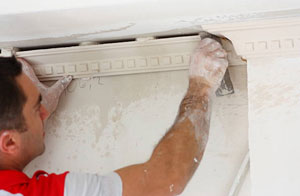 Coving Fitters Ringmer
Coving Installers Near Ringmer
Also find: Glyndebourne coving installers, Stoneham coving installers, Halland coving installers, Whitesmith coving installers, Cooksbridge coving installers, Little Horsted coving installers, Glynde coving installers, South Chailey coving installers, Broyle Side coving installers, Laughton coving installers, Norlington coving installers, Isfield coving installers, Lewes coving installers, Barcombe coving installers, Rodmell coving installers coving fitters & more near Ringmer, East Sussex. The lion's share of these towns & villages are serviced by local coving fitters. Ringmer residents can get estimates by clicking here.
More: Duropolymer Coving, Coving, Coving Cutting, Wooden Coving, Heritage Cornices, Cornices and Coving, Ceiling Coving, Duropolymer Coving, Coving Restoration, Coving Installation, Polyurethane Coving, Moulding Repairs, Decorative Coving, Cornice Restoration, Modern Coving, Period Cornices, Coving, Cornice Repairs, Wall Coving, Coving Installers.
Coving fitters BN8 area, (dialling code 01273).
TOP - Coving Installation Ringmer
Cornices, Coving Installers Ringmer, Ceiling Rose Installation, Cheap Coving, Coving Specialists Ringmer, Covings and Cornices, Mouldings and Dado Rails, Coving Installation Ringmer, Coving Repairs, Coving Removal, Coving Fitters Near Me, Coving Fitters Ringmer
