
Filton Coving Installation (BS34): If the harsh lines between ceiling and wall surfaces are something you hate you might want to think about softening them by the use of coving or ornamental mouldings. Truth be told, some would consider that coving was a design craze of the eighties and isn't suitable for contemporary dwellings in Filton, others would have a different opinion. Some individuals just love coving, whilst other folks prefer a much simpler finish, meaning that it's largely a matter of individual taste. Do you want sharp, contemporary lines between your ceilings and walls, or rounded, classic transitions? The choice is of course, yours!

What is Coving? - Coving is a moulded material, available in strips, which is used as a decorative element to cover the sharp, 90 degree angles between room surfaces (ceilings and walls specifically). Materials from which coving are manufactured include the likes of plaster core, gyproc, plastic, softwood, polyurethane, PVC, MDF, polystyrene, and duropolymer.
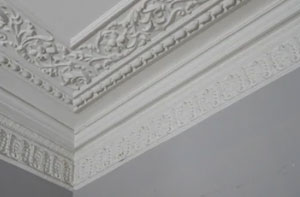
Coving involves much more than just improving the aesthetic value of a space since it also conceals imperfections in the way walls & ceilings are joined. In a vintage property, coving could provide a neat & decorative way to ensure a more sophisticated look of the home while creating a clean finish. It doesn't matter if one is working on a renovation of an old property or a contemporary dwelling in Filton because a well-placed coving adds sophistication & style to any space.
To add even more to the confusion you will also need to make up your mind about what design you want, with possibilities like cavetto, ovolo, cyma recta, cyma reversa (or ogee), egg and dart, step, Victorian, Edwardian, art deco, and dentil.
For a subtle yet powerful addition to any room's interior design, coving can be the perfect finishing touch. The shape of coving can help to create a seamless transition between walls and ceilings, giving your home a more refined appearance. The range of styles and materials for coving can make the process of selecting the best one for your home seem overwhelming. The style of your home and your personal preferences should be considered when choosing the perfect coving. The installation process for coving should be completed to a high standard to achieve the best results.
It could make it a challenge for you, having such a lot of choices to make. A professional Filton coving fitter should be able to assist you in making some of these tricky decisions. Getting a top quality coved finish on your property in Filton is your prime goal, and following the tricks & tips on this site should help you on your way.
While completely new coving installations may be the forte of your local Filton coving installation specialist, they will normally also take on repair and restoration projects. Your coving and decorative mouldings may need a little bit of tender loving care from time to time, as they can get rather shabby. For example, you may need repairs to coving, ceiling roses, dado rails, cornices, picture rails, panel mouldings, fire surrounds, corbels, dado corners, or plaques.
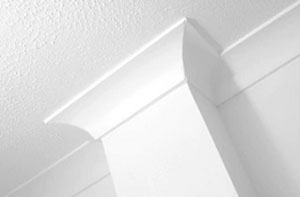
While coving work is regularly done by specialist coving installers in Filton, it's more frequently carried out by plasterers or joiners (in the case of timber mouldings). Make certain they are experienced at work like this before you employ anybody. It really is painstaking work to fit coving correctly & in order to get a high quality finish it must be done carefully & diligently.
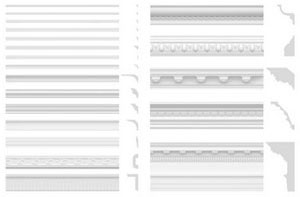
Cleaning the walls & ceilings is one important step before coving can be finished. More specifically, the wall should be dry, clean, and as level as possible for greater adhesive property. Skilled coving installers from the Filton area will perform precise checks of the room, including measurements, drawings the lines, and cutting mitres in the corners. Following the preparations will allow getting seamless binding that doesn't need filling while painting.
Automatically going for the cheapest estimate is a mistake many people in Filton make when choosing a coving installer. Going for the cheap option can mean you end up with a a shoddy standard of workmanship & have to call in somebody else to put it right. After all, when your coving is completed, you want it to look outstanding, so choosing the best person for the job is essential.
When you are trying to find plasterers or coving fitters in Filton, there are a number of ways in which you can do it for instance you can sift through local directories or newspapers, you can use a trade portal like Rated People or Local Heroes, you could check out Instagram or Facebook, or you can check out the Federation of Master Builders (FMB) website & do a search for vetted plasterers in Filton. You're able to find coving products like packs of coving, coving adhesive, coving corners, coving mitre tools, and ceiling roses by going to Jewson, B&Q, Coving Direct or Wickes, and you can purchase equipment & tools for plastering & coving (if you fancy having a go on your own) by heading over to Screwfix, Tool Station or Artex.
Professional Installation
Whether to go for a professional or DIY approach for installing coving is primarily dictated by the person's skills, budgetary considerations & the complexity involved in the project.
- Expertise & Precision: Expert installers possess a vast array of skills and experience. They excel in handling various different coving materials like plaster, which demands expertise for proper installation. Their ability to measure and cut precisely is crucial, particularly for coving that must fit in irregular areas or for complex patterns.
- Time Efficiency: A professional's expertise can notably lessen the time it takes to finish the project, given their equipped with the necessary tools & techniques to hasten the procedure, an asset in sizeable or complicated installations.
- Quality Assurance: Quality is usually assured with professional installation. Experienced installers are expected to render a smooth finish, securing and aligning the coving perfectly, which is essential for a polished appearance & the long-term durability of the coving.
- Safety: In coving installation, the necessity to handle heavy materials and work at height is commonplace. Professionals are trained to work safely in such conditions, thus lessening the risk of accidental mishaps.
- Cost Implications: The cost is the foremost drawback of choosing professional installation, as it can be significantly higher than a DIY approach, particularly when the coving material, such as plaster, is a bit on the expensive side.
Ultimately, it gives householders in Filton some peace of mind knowing that the coving they have had installed will both fit in with the design of their property as well as last for a long time. Reading customer reviews, asking for examples of previous work and collecting a few quotes can all be beneficial steps to take before arriving at a decision about who to hire.

Coving installation can be carried out in Filton & also in nearby places like: Henleaze, Hambrook, Henbury, Bristol, Patchway, Stoke Bishop, Frenchay, Brentry, Bishopston, Westbury on Trym, Cribbs Causeway, Horfield, Little Stoke, Ashley Down, Stoke Gifford, and in these postcodes BS34 7BZ, BS34 7QP, BS34 7BF, BS34 7AE, BS34 7PQ, BS34 7JW, BS34 7JN, BS34 7EA, BS34 7AW, BS34 7PX. Local Filton coving specialists will likely have the postcode BS34 & the telephone dialling code 0117/01454. Checking this out should confirm that you're accessing locally based coving fitters. Filton property owners will be able to benefit from these and countless other coving related services.
DIY Coving Installation
For confident DIY lovers in Filton, the installation of coving is gratifying. The best material to use in the project is lightweight as polyurethane, polystyrene, or PVC. To succeed in this task, it is important to plan carefully, take accurate measurements, and make accurate mitre cuts, so all the corners fit into their places nicely. The surface of the walls and ceilings should be clean, dry, and free from any dust or loose materials before starting. It may be wise to use guide lines around the room and test the fit for every piece of the coving before fixing it. It can be said that simple rooms are suitable for DIY as opposed to those with crooked walls, high ceilings, or complex plaster coving.
Polyurethane Coving
As a durable and versatile material, polyurethane is a lightweight, synthetic polymer well-known for its adaptability. Polyurethane coving, mirroring the ornate designs of classic plaster coving, provides a range of specific benefits.
The Benefits of Polyurethane Coving:
- Light in Weight: Unlike cumbersome plaster, polyurethane coving's considerably lighter weight makes it a piece of cake to install and handle, especially for do-it-yourself projects. This also minimises the risk of damaging ceilings and walls during installation.
- Durability: A significant drawback of plaster coving is its tendency to become brittle and break over time. Polyurethane coving overcomes this weakness entirely. Its exceptional resistance to cracking, chipping and warping guarantees a long-lasting and beautiful addition to your home.
- Moisture Resistance: Kitchens and bathrooms can pose challenges for traditional coving materials due to fluctuating humidity levels. Polyurethane coving, however, offers the ideal solution. Totally unaffected by moisture, it remains in prime condition, making it the perfect choice for these wet room environments.
- Low Maintenance: Polyurethane coving, contrasting with the easily crumbled plaster, necessitates minimal care, only calling for occasional dusting or cleaning with a moistened cloth.
- Cost-Effective: While the initial cost per metre may be somewhat higher than some plaster covings, the lower risk of damage during fitting and ease of installation can lead to substantial savings overall.
- Versatility: The beauty of polyurethane coving lies in its incredible versatility. Whether you crave the clean lines of contemporary minimalism or prefer the elegance of classic Victorian designs, you will find a style that perfectly complements your the existing decor in your home.
- Pre-Primed: Forget the hassle of priming! Pre-primed polyurethane coving eliminates a whole step in the painting process. Simply apply your desired topcoat for a flawless and professional-looking finish.
- Easy Installation: This coving caters to both do-it-yourselfers and professionals. Simple, everyday tools and easily accessible adhesives make it ideal for self-installation. However, for intricate designs or complex projects, professional expertise ensures immaculate results.
Offering a practical and visually pleasing alternative, polyurethane coving stands out against conventional plaster coving. The combination of durability, ease of installation, and a wide range of styles makes it a universally appealing choice for both interior designers and property owners seeking to create practical & attractive living spaces. A hint of sophistication & elegance can be yours with planning and careful execution. Polyurethane coving offers a super easy solution to elevate the beauty of any room in your Filton home.
What's the Difference Between Coving & Cornice?
A commonplace question that we're asked is "What exactly is the difference between cornice and coving?" and this can be rather mystifying for a lot of property owners in Filton. The reply that you will possibly not be expecting, is that they're basically the same. If you had to pinpoint a distinction between the two, it would be that covings are comparatively simple in their design, whilst cornices are somewhat more elaborate. In Filton in the post-world war period, the term coving was formerly used for a plain "C" shaped concave moulding that was extremely popular at that time. In contrast, cornices often require the skills of a master tradesman in Filton, if they are to be installed successfully, as they're usually extremely intricate mouldings.
Plaster Coving Filton
Plaster coving is a traditional method of decorative moulding. It requires two people with experience & a high level of expertise to install it correctly.
Before installing plaster coving, plan and mark its layout. The length of each piece should match the length of the adjacent ceiling or wall. The length of the coving should be as accurate as possible, and each piece should be level. You can then trim the pieces to eliminate gaps. Then, apply a thin layer of coving adhesive to the join where one piece of coving meets the next. This will guarantee a strong bond and prevent cracks in the future.
Plaster coving is a decorative plasterwork element that ties the walls & ceiling together. It is typically fixed in the wall-to-ceiling joint & can be used in recessed ceilings, lighting troughs and coiffured ceilings. It is available in a range of sizes and period designs & is highly fire-resistant. (Tags: Plaster Coving Installers Filton)
Plaster Cornice Repair Filton
Plaster cornice refurbishment plays a crucial role in maintaining the visual appeal of a building's interior. Cornices, which embellish the junction between walls & ceilings, can incur damage due to several factors like wear and tear, accidental impact or moisture.
The refurbishment of a plaster cornice demands a tradesperson with the necessary expertise to assess the damage and create a restoration plan. To repair a plaster cornice, one must typically clean the affected area, remove any loose or damaged plaster, and fill the gaps with new plaster. Matching the original features of a cornice during repair requires the skill of tradespeople who can replicate intricate patterns and designs.
Failure to repair damaged cornices can lead to its further deterioration and compromise the safety and structural integrity of the property. Seeking the aid of a professional is critical for any repair work on a plaster cornice.
What Tradesman Puts up Coving?
The various types of tradespeople in the Filton area who are involved with the installation of coving are determined partly by the material that is used and how complicated the job is. Specialist coving installers are the best people for the job as they're trained and have the equipment necessary to install the coving properly. Nevertheless many plasterers do save some time on the installation of plaster coving and decorative cornices & appreciate how to install this type of material. Wood coving installation may need the assistance of a skilled carpenter or joiner while experienced painters and decorators can also install light coving. In any case, regardless of the kind of specialist you choose, ensure that you look for somebody who has experience & seen their previously completed projects in terms of coving.
Is Coving a Messy Job?
Coving installation can be rather untidy. It involves applying plaster or adhesive to the walls and ceilings, then attaching decorative moulding. This process generates debris, dust, and the potential for spills. Cutting & fitting the coving can also result in the accumulation of waste materials. While professionals utilise dust sheets & precautionary measures to minimise mess, some level of cleanup is typically required afterward. Due to a lack of experience, DIYers may find it messier. Overall, while coving can provide a stylish finishing touch to a room, it does entail a degree of messiness that requires management.
Wooden Coving Filton
Wooden coving, installed at the junction of the ceiling and wall, brings an elegant touch to any room. This coving is produced in a multitude of finishes & styles, from contemporary to classic, to complement various tastes & interior design schemes. Coving not only enhances the aesthetic appeal of your home but also hides any unattractive joints or imperfections where the wall and ceiling connect.
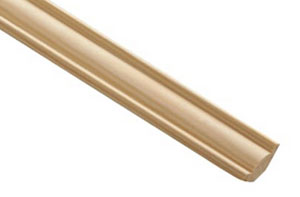
Achieving a professional look and a seamless fit when installing wood coving necessitates both precision & skill. The process involves accurately measuring the area, cutting the coving to the correct size, and attaching it securely with adhesive and nails. In order to match the coving with your existing decor, careful sanding & painting or staining might also be needed. Some DIYers might choose to do this job themselves, but hiring professionals for installation ensures a flawless & long-lasting finish.
Let professional installation services handle the hassle of fitting wooden coving. To achieve a high standard of workmanship & efficient completion, skilled installers bring the necessary tools & knowledge. From the initial consultation & measurements to the final details, they manage everything, ensuring your home is enhanced with perfectly executed coving. Save your time and secure a pleasing & enduring outcome by investing in professional coving installation. (Wooden Coving Filton).
Picture Rails
Typically, picture rails are mouldings that are positioned horizontally on walls about 12 to 24 inches below the ceiling. They were initially created to hang pictures without the need for screws, nails, or hooks, thus preventing wall damage. Changing your artwork or photos whenever you wish is simple when you use hooks that rest on the rail rather than drilling into the wall.
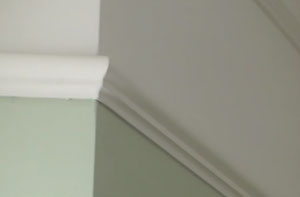
These mouldings were a popular addition to Edwardian and Victorian homes, enhancing both functionality & appearance. Many people in Filton continue to install them today for their classic appearance & practical use, even though they're typically found in older homes. Picture rails add a touch of character to a room by creating a visual break on tall walls.
If you have a grasp of basic carpentry, the task of installing a picture rail is reasonably simple for do-it-yourself projects. It involves taking measurements, cutting the rail to the appropriate size, and attaching it to the wall, typically using nails or screws. Once installed, the rail can be stained or painted to complement your existing decor, adding both style & functionality to pretty much any space. Should you be unwilling or unable to handle this sort of work, you'll need to reach out to a carpenter in Filton. (Picture Rail Installation Filton)
Bespoke Archways & Alcoves Filton
Arches & alcoves have long been celebrated in the world of architecture & interior design as ageless elements that can transform a space from ordinary to extraordinary. Such architectural features serve functional purposes as well as being aesthetically pleasing, such as providing storage solutions, defining areas within a room, or simply adding a little elegance & charm. The realm of bespoke archways and alcoves is fascinating, so let's look into it and discover why they continue to be cherished elements in interior design.

Bespoke Archways: The Romans & other ancient civilizations have graced buildings with architectural wonders called archways for hundreds of years. Modern-day interior design in Filton is seeing a significant comeback of bespoke archways today. These custom-crafted arches come in various styles, from the more modern, minimalist designs to the classic Roman arch.
Their ability to create a sense of transition & flow between spaces is one of the most striking advantages of customised archways. They can connect different rooms, allowing for an open and inviting atmosphere whilst maintaining a feeling of separation. Archways can also serve as focal points, highlighting particular areas or architectural details within a room, which is another advantage. Adding a dash of sophistication and character to any space, bespoke archways can be tailored to complement the overall aesthetic, whether built out of wood, stone or plaster.
Alcoves: Conversely, alcoves are recessed spaces within walls that can serve various different purposes. Centuries of use have seen these charming niches used to house books, display art, or create cosy reading corners. By personalising bespoke alcoves to their specific preferences & needs, property owners can take this concept to new heights.
The Perfect Marriage: Creating a harmonious and visually appealing interior can be accomplished by combining bespoke alcoves with archways. For example, a bespoke archway leading into a room with a carefully designed alcove can create a sense of anticipation & drama. The archway serves as a frame for the alcove, adding depth to the overall design and highlighting its contents.
To summarise, bespoke alcoves and archways stand as more than architectural elements; they represent statements of craftsmanship & design. Their power lies in transforming a space, infusing it with elegance, character, and practicality. Bespoke alcoves & archways serve as timeless design choices for anyone looking to display artworks, create a cosy reading nook, or simply bring a classic beauty to their property, ensuring these enhancements will enrich your living space in a multitude of ways. (Tags: Archways and Alcoves Filton)
Installing Dado Rails
Dado rails are decorative mouldings that are installed horizontally around the wall of a room, originally intended to prevent damage to the plaster around walls caused by furniture. Although they have lost some of their original function, dado rails are now valued most for decorative purposes. They help to create interesting design features that can be especially appreciated in old dwellings that bear beautiful decorative details or are adapted in a traditional style. However, dado rails can be also used in modern interiors in Filton for obtaining bold wall design effects. The dado rails can be found in different profiles & compositions. They can be made from wood, MDF, or polyurethane, and painted in a way that they will blend or contrast with the surrounding design.
Coving Related Tasks

Filton coving specialists will likely help you with plaster cornice repairs in Filton, cornicing in Filton, wooden cornices, matching new coving to existing period mouldings, modern coving Filton, restoration of original plaster cornices & ornate features, gyproc coving, repairing cracked plaster coving & damaged decorative mouldings, coving replacement, cutting coving mitres, decorative cornicing, bathroom coving, plastic coving in Filton, plaster coving installation, ornate arches, coving replacement following renovation or ceiling repair work, lighting cornices, ceiling rose installation, picture rails, polystyrene coving Filton, the restoration of coving and mouldings in Filton, Victorian coving Filton, bedroom coving, ceiling restoration and other coving related work in Filton, Gloucestershire. These are just a handful of the activities that are accomplished by local coving fitters. Filton providers will be delighted to keep you abreast of their entire range of coving services.
 FAQ: Here are a selection of the most frequently asked questions about coving and coving installation: How long does coving last? Is coving suitable for period properties? Is lightweight coving any good? Can ceiling roses be fitted with coving? Which material is best for coving? What is a mitre joint? Can new cornices be matched to existing ones? What is plaster coving? What materials are dado rails made from? What size coving should I choose?.
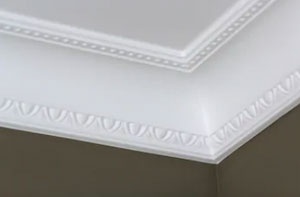 Coving Installation Filton
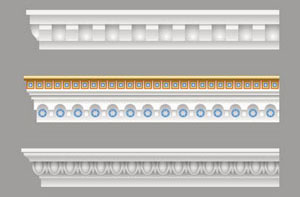 Coving Installers Near Filton
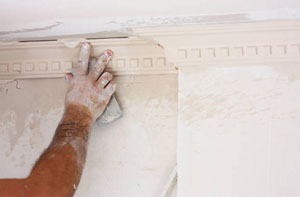 Coving Fitters Filton
Coving Installers Near Filton
Also find: Stoke Gifford coving installers, Ashley Down coving installers, Patchway coving installers, Horfield coving installers, Stoke Bishop coving installers, Henbury coving installers, Brentry coving installers, Westbury on Trym coving installers, Bishopston coving installers, Cribbs Causeway coving installers, Bristol coving installers, Hambrook coving installers, Little Stoke coving installers, Frenchay coving installers, Henleaze coving installers coving fitters & more near Filton, Gloucestershire. All of these areas are served by local coving fitters. Filton home & business owners can get quotes by clicking here.
More: Cheap Coving Fitters, Lightweight Coving, Plaster Cornices, Coving Installers, Coving Maintenance, Coving Cutting, Coving Upgrades, Coving Fitting, Cornice Replacement, Coving Cutting, Cornice Repairs, Plaster Cornices, Coving Restoration, Plaster Coving, Period Cornices, Decorative Mouldings, Coving Replacement, Decorative Mouldings, Heritage Cornices, Coving Removal.
Coving fitters BS34 area, and dialling code 0117/01454.
TOP - Coving Installation Filton
Coving Fitters Near Me, Dado Rails and Mouldings, Coving Fitters Filton, Coving Installation Filton, Cheap Coving, Ceiling Rose Installation, Cornices and Covings, Coving Installers Filton, Cornice Fitters, Coving Specialists Filton, Coving Removal, Cornice Installation
