
Farington Coving Installation (PR25): Coving is a classic moulded feature designed to soften the harsh lines that exist between walls and ceilings. Some would argue that coving was a design fad of the 1980's and is not really suited to modern homes in Farington, others might disagree. In the end, of course, it should be down to personal preference, whether or not to have coving put up in your property. Do you want sharp, contemporary lines between your walls and ceilings, or rounded, classic transitions? The choice is of course, yours!

While coving is usually thought of as a classic feature, it is equally applicable for contemporary formats, provided the suitable profile is selected. Sleek or minimalist coving styles allow the ceiling & walls to be joint together in a simple way & to avoid any cluttering of the interior. Consequently, coving is one of the most versatile additions that can be employed in traditional in addition to modern buildings in Farington.
What is Coving? - Coving is a shaped piece of material that's used as a form of decoration or to cover the joints between room surfaces i.e. to soften the ninety degree angles between ceilings & walls. Materials such as plaster core, gyproc, plastic, hardwood, hardened polyurethane, PVC, MDF, high-density polystyrene, and duropolymer are often used to make coving and ornamental mouldings.
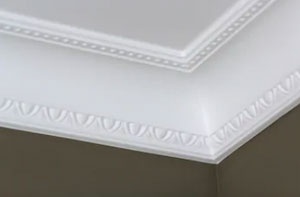
Various materials have their advantages depending on the project & the finances available. Lightweight polyurethane and polystyrene coving are the preferred options for those engaged in DIY since they can be cut easily and fixed in place without much trouble, while plaster coving has great detailing and durability that makes it the favoured option for restoration & finishing jobs. Wooden coving is another material that can be painted or stained to match the existing woodwork.
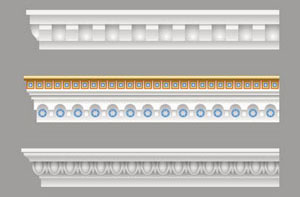
Along with the wide range of materials comes a jaw-dropping range of shapes & designs such as cavetto, ovolo, cyma recta, ogee, egg and dart, step, Victorian, Edwardian, art deco, and dentil.
Coving can be a subtle yet impactful addition to any room, providing a finishing touch to the interior design of your property. A curved coving shape can seamlessly blend the junction between ceilings & walls, creating an elegant look for your home. Choosing the perfect coving for your home can be a daunting task due to the sheer variety of materials & patterns available. The style of your property & your personal preferences should be considered when choosing the perfect coving. Achieving the best results with coving installation requires ensuring that the process is completed to the highest possible standard.
It could make it difficult for you, having such a lot of choices to make. You need to ask the advice of a specialist Farington coving fitter, who will suggest the best options for your situation. The advice & tips given here should help you to achieve a gorgeous coved finish for your home in Farington.
If you already have coving or decorative mouldings in your home, you might be looking for a local Farington coving installation expert to replace or repair it. Just like the wallpaper & paintwork needs upgrading from time to time, your decorative mouldings and coving will need similar attention. This might be required for coving, ceiling roses, dado rails, cornices, picture rails, panel mouldings, fire surrounds, corbels, dado corners, or wall plaques.
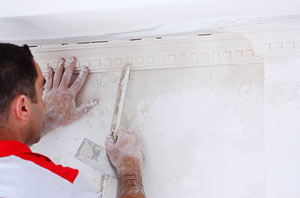
Plasterers are the tradesmen who typically carry out coving work, though there are specialist coving installers in Farington as well. When timber coving is required, joiners could also be employed. Experience in work of this kind is important for anybody you choose to employ. So as to get a high quality finish, the coving work must be done carefully & diligently because this is painstaking work.
Cleaning, drying & leveling the wall and the ceilings is important prior to any installation. Measuring properly & cutting the internal and external mitres accurately is also necessary to achieve a flawless joint and an impeccable look. An experienced Farington coving installer will even fill & smooth out minor irregularities prior to painting, making the coving appear as though it has been part of the room for years.
A common gaff that a lot of Farington people make, is automatically going for the cheapest coving installer, when the estimates roll in. Cheap isn't necessarily best & you don't want to be calling in somebody else later to correct poorly executed work. If you take a bit of care and time over picking the best tradesperson, you can expect your coving to look stunning when it's completed.
In an effort to find a plasterer or coving fitter in Farington you can look in the local classified listings or newspapers, you could try a trade websites like Rated People or Checkatrade, you could try searching on Instagram or Facebook, or you could check out the Federation of Master Builders website & search for vetted plasterers in the Farington area. You'll be able to find coving related products such as coving packs, coving adhesive, coving corners, coving cutting tools, and cornices by visiting Coving Direct, B&Q, Jewson or Wickes, and you'll be able to buy equipment & tools for coving & plastering (if you fancy having a go on your own) by searching through the websites of Artex Ltd, Tool Station or Screwfix.
Professional Installation
The selection of professional versus DIY installation for coving depends mainly on the project's complexity, the person's ability and budgetary factors.
- Expertise and Precision: Bringing their vast experience and skills, professional installers are adept at working with all types of coving materials, including the heavier plaster. They guarantee precise measurements & accurate cuts, a necessity for fitting into uneven spaces or for complex patterns.
- Time Efficiency: The use of a professional can substantially reduce the time to complete the project, as they have the right methods and tools to facilitate a faster process, a major benefit for complicated and substantial installations.
- Quality Assurance: With professional installation, a quality assurance is generally provided. The experts in this field are adept at creating a flawless finish, with coving that is both perfectly aligned and securely attached, essential for a polished look and the coving's long-term endurance.
- Safety: The installation of coving frequently requires managing heavy materials and working at height. Qualified professionals are adept at safely operating under these conditions, thereby diminishing the likelihood of accidents.
- Cost Implications: The leading shortcoming of professional coving installation is undoubtedly the expense involved. It can be considerably more costly than a do-it-yourself method, especially if one opts for pricier coving materials such as plaster.

Coving installation can be carried out in Farington and also in nearby places like: Tardy Gate, Farington Moss, Bamber Bridge, Midge Hall, Howick Cross, Whitestake, Penwortham Lane, Leyland, Buckshaw Village, New Longton, Clayton-le-Woods, Whittle-le-Woods, and in these postcodes PR25 4UB, PR25 4QP, PR25 4NX, PR25 3GR, PR25 4GJ, PR25 3DD, PR25 3RA, PR25 4QA, PR25 4GP. Locally based Farington coving specialists will probably have the postcode PR25 & the phone code 01772. Checking this out can confirm you access locally based coving fitters. Farington householders are able to benefit from these and countless other comparable services.
Do-it-Yourself

It is obviously entirely possible for you to have a go at the coving by yourself. There are numerous online merchants offering coving products & you might even find what you're looking for in a local Farington home improvement store. The coving itself generally comes in straight lengths of 2 or 3 metres, and to make life simpler, sometimes pre-cut corners are available.
There is for sure lots of info on the web giving you tips on how to fit coving, as well as useful videos and tutorials to help you on the right path. We recently discovered this informative post which might be helpful.
Polyurethane Coving
Recognised for its versatility and durability, polyurethane stands out as a lightweight synthetic polymer. Offering a number of distinct advantages, polyurethane coving mimics the complex patterns of classic plaster coving.
Benefits of Polyurethane Coving:
- Lightweight: An important advantage of polyurethane coving is its lighter weight in comparison to plaster. This translates to a simplified installation process, particularly for do-it-yourselfers. In addition, the lighter weight minimises the risk of damaging your walls and ceilings while fitting the coving.
- Durability: While conventional plaster coving can succumb to the effects of time, becoming brittle and prone to damage, polyurethane offers a superior solution. Its exceptional resistance to chipping, cracking and warping guarantees lasting stability and strength for your coving.
- Moisture Resistance: Polyurethane is unaffected by moisture, making it perfect for use in bathrooms and kitchens, where humidity levels can fluctuate.
- Low Maintenance: Polyurethane coving, in contrast with the easily crumbled plaster, requires minimal upkeep, only asking for occasional cleaning or dusting.
- Cost-Effective: While the initial price per metre of polyurethane coving might be slightly higher than basic plaster, consider the broader view. The ease of installation and lower risk of damage during fitting translate to significant cost savings in the long run.
- Versatility: Polyurethane coving isn't just about functionality - it's about aesthetics too! From sleek, minimalist profiles to classic Victorian flourishes, the wide variety of styles available ensures that you will find the ideal coving to seamlessly complement the existing decor in your home.
- Pre-Primed: Save yourself time and effort! Most polyurethane coving comes pre-primed, eliminating the need for priming before painting. Simply select your desired topcoat and achieve a faultless finish in no time at all.
- Ease of Installation: A DIY-friendly option and professional-looking results. Basic tools and readily available adhesives are all you need for installation. However, for complicated projects and intricate designs, professional installation is often a better option.
Polyurethane coving presents an aesthetically attractive and functional option as opposed to conventional plaster coving. The magic of polyurethane coving lies in its versatility. Its durability & easy installation make it ideal for DIYers, while the wide range of styles caters to the design visions of professional interior designers. It's a win-win for everyone. With planning and careful execution, polyurethane coving can work its magic. It's got the power to take a plain old room & elevate it to a space of elegance & sophistication.
Plaster Coving Installation Farington
Plaster coving is a traditional method of decorative moulding. It requires two people with experience and a high level of expertise to install it properly.
Before installing plaster coving, plan & mark its layout. The length of each piece should match the length of the adjacent ceiling or wall. The length of the coving should be as precise as possible, and each piece should be level. You can then trim the pieces to eliminate gaps. Then, apply a thin layer of adhesive to the join where one piece of coving meets the next. This will guarantee a strong bond and prevent cracks in the future.
Plaster coving is a decorative element that is often overlooked, but it can enhance a room's interior design by adding visual appeal. It can hide irregularities in the ceiling, and it can disguise the thermal expansion of plasterboard. Plaster coving can also add resale value to a property, since it highlights attention to detail.
Plaster Cornice Repairs Farington
To maintain the aesthetic appeal of a building's interior, it is vital to prioritise plaster cornice repair. General wear and tear, accidental impact or moisture are some of the factors that can cause damage to cornices - the ornamental molding that embellishes the intersection between the ceiling and walls.
Only a skilled craftsman with the necessary expertise to assess the damage and develop a suitable restoration plan can refurbish a plaster cornice. The repair process typically involves cleaning the area, removing damaged or loose plaster, and filling in the gaps with new plaster. Skilled tradespeople can replicate intricate designs and patterns to make sure that the restored cornice matches the original features.
Damaged cornices left unattended can lead to further deterioration, putting the safety and structural integrity of the building at risk. Seeking the aid of a professional is critical for any repair work on a plaster cornice. A well-maintained cornice enhances the visual appearance of a building while preserving its historical integrity, which is especially crucial in listed buildings where original features must be preserved.
Repair & Maintenance of Coving & Cornices
A property's upkeep depends on the maintenance and repair of its coving and cornices. Over time, the beauty of cornices & coving, which can add an elegant touch to a room, can diminish due to damage, discolouration or cracks.
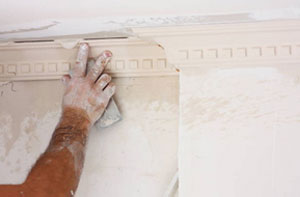
Early identification of problems through frequent inspections & timely repair work can prevent further damage from occurring. The extent of the damage will determine the kind of repair needed for cornices and coving, ranging from basic filling and smoothing to the complete replacement of sections. Achieving a flawless finish that matches the original pattern requires the use of appropriate materials and techniques when repairing coving & cornices.
A lack of maintenance of cornices and coving can result in structural damage that poses a threat to the integrity of the building. Retaining their beauty & adding value to a property for years to come can be achieved with proper repairs & maintenance of coving and cornices.
Is Coving a Messy Job?
Messiness is a part of coving installation, which involves applying plaster or adhesive to walls and ceilings & then fixing decorative moulding. This process generates debris, dust, and spill possibilities. Additionally, cutting and fitting coving can produce waste materials. Professionals use dust sheets and precautions to minimise mess, but cleanup remains necessary. Due to their inexperience, DIYers may encounter greater messiness. While coving adds a stylish touch to a room, it demands effective management of its mess.
Wooden Coving Farington
To add a sense of refinement to any room, wooden coving is fitted at the point where the ceiling & wall come together. From contemporary to classic, wooden coving is designed in various finishes and styles to accommodate different tastes & interior designs. Not only does coving enhance the visual appeal of your home, but it also covers any unattractive joints or imperfections at the junction of the wall & ceiling.
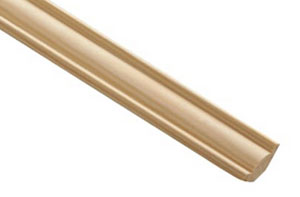
The installation of timber coving requires skill & precision to ensure it fits seamlessly & looks professional. The process involves carefully measuring the room, cutting the coving to the appropriate size, and attaching it securely with adhesive and nails. To align the coving with your existing decor, you may also need to carefully sand and either paint or stain it. Although some DIYers may attempt this task on their own, employing professional coving fitters guarantees a perfect outcome.
Professional installation services take the headache out of fitting wooden coving. To achieve a high standard and efficient completion, experienced installers bring the necessary expertise & tools. From the initial consultation & measurements to the final details, they manage everything, ensuring your home is enhanced with perfectly executed coving. Time-saving and long-lasting installation of coving that meets the highest visual standards is best achieved through professional installation. (Wooden Coving Farington).
Gyproc Coving Farington
A decorative feature, Gyproc coving is used to enhance the appearance of the junction between ceilings & walls in Farington. Available in a variety of designs and sizes, it's made out of preformed plasterboard to suit different kinds of rooms. Effective at hiding any unattractive imperfections or gaps, this type of coving can add a hint of elegance to any space, creating a smooth transition from wall to ceiling.
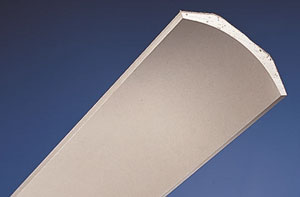
The process of installation is reasonably straightforward. Coving pieces are cut to fit the room's dimensions and then secured in position with a suitable adhesive. For a tidy finish, gaps and joints are filled and sanded smooth. Gyproc coving is an accessible do-it-yourself project for Farington householders aiming to improve the appearance of their interiors without major refurbishments.
There are also practical benefits associated with Gyproc coving. It can help cover cracks that sometimes appear with time at the wall-ceiling junction, providing a cleaner, longer-lasting look. In addition, coving can be painted to either contrast with or match the room's decor, allowing for further customisation. To improve the beauty & functionality of a room, Gyproc coving is a simple & effective option. (Gyproc Coving Farington)
Coving Related Tasks

Farington coving specialists can normally help with ornate corbels in Farington, traditional coving Farington, lighting cornices, the removal of coving in Farington, duropolymer coving, cornice installation, Victorian cornices, wood coving, coving restoration, ornamental plasterwork, repairing cracked plaster coving & damaged decorative mouldings, wooden cornice, plastic coving in Farington, decorative cornicing, ornamental arches, polyurethane coving, coving refurbishment, cheap coving installation, Georgian coving Farington, fancy coving installation, kitchen coving, living room coving, egg and dart coving Farington, cornice coving in Farington and other coving related work in Farington, Lancashire. These are just an example of the activities that are handled by local coving fitters. Farington professionals will be delighted to keep you abreast of their whole range of coving services.
 FAQ: Here are a selection of the most frequently asked questions about coving and coving installation: Can coving be installed around kitchen units? What is the best coving for low ceilings? Why is my coving coming away from the wall? What tradesperson installs coving? Which material is best for coving? Can coving be fitted over wallpaper? What is a mitre joint? What tradesperson installs or repairs cornices? What colour should coving be painted?.
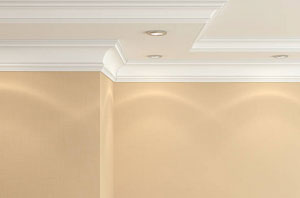 Coving Installation Farington
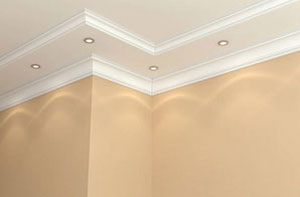 Coving Installers Near Farington
Coving Fitters Farington
Coving Installers Near Farington
Coving Fitters FaringtonCoving Installers Near Farington
Also find: Midge Hall coving installers, New Longton coving installers, Farington Moss coving installers, Howick Cross coving installers, Tardy Gate coving installers, Clayton-le-Woods coving installers, Bamber Bridge coving installers, Penwortham Lane coving installers, Buckshaw Village coving installers, Whitestake coving installers, Whittle-le-Woods coving installers, Leyland coving installers coving fitters and more near Farington, Lancashire. All these places are serviced by local coving fitters. Farington householders can get quotations by clicking here.
More: Coving Installers, Coving Refurbishment, Cornice Fitting, Coving Fitting, Coving Services, Cornices and Coving, Coving Specialists, Coving Maintenance, Ceiling Roses, Cornice Fitting, Traditional Coving, Cornice Restoration, Plaster Cornices, Plaster Mouldings, Coving Specialists, Coving Fitting, Decorative Coving, Plaster Mouldings, Ceiling Coving, Coving Restoration.
Coving fitters PR25 area, (dialling code 01772).
TOP - Coving Installation Farington
Dado Rails and Mouldings, Cornice Fitters, Coving Fitters Farington, Coving Removal, Coving Fitters Near Me, Cornice Installation, Cheap Coving, Cornices and Covings, Coving Specialists Farington, Coving Installation Farington, Ceiling Rose Installation, Coving Installers Farington
