
Castleside Coving Installation (DH8): Not everybody likes to see even, harsh lines at the point where ceilings meet walls, and if this is a concern for you, the solution could be to have ornamental mouldings and coving fitted. Some would claim that this is an out of date style of interior design, although many homes in Castleside continue to feature this adornment. To fit or not to fit coving, that is the question, and this of course is entirely down to personal choice & not down to the current fashion craze. Sharp, contemporary lines or rounded, classic transitions? The choice is yours!

What is Coving? - Coving is a decorative, curved moulding, that's employed to conceal the ninety degree angled formed where walls meet ceilings within a structure. You can find coving & fancy mouldings made from plaster core, gyproc, plastic, hardwood, polyurethane, PVC, MDF, expanded polystyrene, and duropolymer.
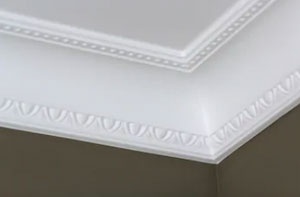
Coving involves much more than just improving the aesthetic value of a space since it also conceals imperfections in the way walls and ceilings are joined. In a vintage property, coving could provide a neat and decorative way to ensure a more sophisticated look of the home while creating a clean finish. It does not matter if one is working on a renovation of an old property or a contemporary dwelling in Castleside because a well-placed coving adds sophistication and style to any space.
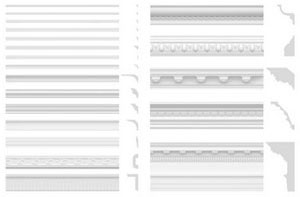
To add to the confusion you'll also need to make your mind up about what design & shape you want, with possibilities like cavetto, ovolo, cyma recta, cyma reversa (or ogee), egg and dart, step, Victorian, Edwardian, art deco, and dentil.
For a subtle yet powerful addition to any room's interior design, coving can be the perfect finishing touch. A curved coving shape can seamlessly blend the junction between ceilings and walls, creating an elegant look for your property. The abundance of designs and materials available for coving can make choosing the best one for your home a daunting task. When selecting coving, it is crucial to take into account your individual taste and the style of your property. The installation process for coving should be completed to a high standard to achieve the best results.
With so many choices to be made, you might be thinking this process may get a bit tricky. It will be most useful to get some advice and guidance from a specialist Castleside coving fitter, which should put everything in perspective. Getting a top notch coved finish on your property in Castleside is your prime goal, and following the tricks and tips on this site should help you on that path.
It's not just with new coving installations that a specialist can help you with. Repairs and restorations are also within their remit. Your coving and decorative mouldings can get a bit tatty over the years and may need some loving care to get them looking their best. This might be required for coving, ceiling roses, dado rails, cornices, picture rails, panel mouldings, fire surrounds, corbels, dado corners, or wall plaques.
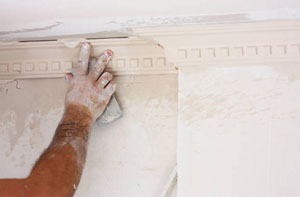
In the case of wooden mouldings, your coving work could be done by a joiner, otherwise it is often carried out by a plasterer or a specialist coving fitter in Castleside. Before you employ anybody, make sure they are proficient at this kind of work. A lot of care & attention must be taken to get a high quality finish on your coving, and this can be painstaking work.
Cleaning the walls & ceilings is one important step before coving can be finished. More specifically, the wall should be dry, clean, and as level as possible for greater adhesive property. Skilled coving installers from the Castleside area will perform precise checks of the room, including measurements, drawings the lines, and cutting mitres in the corners. Following the preparations will allow getting seamless binding that does not need filling while painting.
An error that many people make as soon as the quotations are in, is immediately going for the cheapest coving fitter in Castleside You don't want to be paying for sloppy workmanship at any price, cheap is not always best! Taking your time at this point should mean that you find the best tradesman for the job, and that the resulting coving will look just gorgeous.
In order to locate a coving fitter or plasterer in Castleside you could have a look at local classified ads or newspapers, you could try a trade portal like Local Heroes or Rated People, you could search on Instagram or Facebook, or you could head to the Federation of Master Builders website & do a search for trusted plasterers and coving installers in the Castleside area. You can look for coving products such as strips of coving, coving adhesive, coving corners, coving mitre tools, and cornices by visiting Wickes, Jewson, B&Q or Coving Direct, and you can buy equipment and tools for plastering and coving (if you fancy having a bash yourself) by searching through the websites of Screwfix, Artex Ltd or Tool Station.
The Professional Installation of Coving
Whether to go for a professional or DIY approach for installing coving is mostly dictated by budgetary considerations, the person's skills & the complexity involved in the project.
- Expertise and Precision: Professional installers bring a wealth of experience & skill to the table. They're adept at handling different types of coving materials, including plaster, which is heavy & requires a skilled hand for installation. Professionals ensure precise measurements and cuts, especially important for elaborate patterns or when coving needs to fit into awkward spaces.
- Time Efficiency: The involvement of a professional can considerably cut down the time required to complete the project, thanks to their access to suitable techniques and tools that streamline the process, particularly for more complicated or larger installations.
- Quality Assurance: Opting for professional installation generally means a guaranteed level of quality. The experts in this area are capable of producing an excellent finish, with the coving secured and aligned correctly, important for a polished look & an extended lifespan.
- Safety: Coving installation often entails handling heavy materials and working at height. Professionals are skilled and trained to perform these tasks safely, minimising the possibility of accidents.
- Cost Implications: Professional installation's primary negative aspect is its expense. This can be greatly more than a do-it-yourself approach, especially if one chooses a costlier coving material, such as plaster.
Ultimately, it gives homeowners in Castleside some peace of mind knowing that the coving they have had installed will both fit in with the design of their property as well as last for a long time. Reading customer reviews, asking for examples of previous work & collecting a few quotes can all be beneficial steps to take before arriving at a decision about who to hire.

Coving installation can be carried out in Castleside & also nearby in: East Butsfield, Allensford, Muggleswick, Rowley, Snods Edge, Knitsley, Mosswood, Consett, Carterway Heads, Waskerley, Templetown, Healeyfield, The Grove, Shotleyfield, Moorside, Edmundbyers, West Butsfield, and in these postcodes DH8 8DT, DH8 8AP, DH8 8HS, DH8 9AT, DH8 8LG, DH8 8DJ, DH8 8AB, DH8 9AR, DH8 8AX, DH8 9QY. Local Castleside coving specialists will most likely have the postcode DH8 & the telephone code 01207. Checking this will guarantee you access local coving fitters. Castleside householders are able to benefit from these & countless other comparable services.
DIY Coving

For those of you with some confidence in doing DIY, you might put up the coving yourself. Coving can be bought from local Castleside do-it-yourself stores and also online from mouldings suppliers. Coving is usually supplied in two or three metre lengths, and you can also buy the corners ready cut for some types, making life a lot easier.
Obviously that there is an abundance of information on the internet giving you tips on how to install coving, along with useful videos and tutorials to help you as you go. Recently we encountered this illuminating post which could be of use to you.
Polyurethane Coving
Renowned for its durability and versatility, polyurethane is a synthetic polymer that is extremely light in weight. Polyurethane coving replicates the elaborate designs of conventional plaster coving but offers a number of distinct advantages.
Some Benefits of Polyurethane Coving:
- Light in Weight: Polyurethane is dramatically lighter than plaster, making it easier to install and handle, especially for DIY fans. This also minimises the risk of damage to ceilings and walls during installation.
- Durability: Unlike plaster, which can become brittle and prone to chips and cracks over the years, polyurethane boasts exceptional resistance to warping, cracking and chipping. This ensures your coving retains its beauty and integrity for years to come.
- Moisture Resistance: One of the pivotal strengths of polyurethane coving is its resistance to moisture. This makes it a long-lasting and practical choice for kitchens and bathrooms, where splashes and steam are a daily reality.
- Low Maintenance: The care required for polyurethane coving is negligible, unlike plaster that can easily deteriorate; it just needs occasional wiping or dusting.
- Cost-Effective: Although the initial cost per metre may be somewhat higher than some plaster covings, the lower risk of damage during fitting and ease of installation can lead to significant savings overall.
- Versatility: Don't be limited by design choices! Polyurethane coving offers a design spectrum unlike any other. Embrace the simplicity of contemporary minimalist profiles or explore the grandeur of classic Victorian styles. Find the perfect coving to elevate the existing decor in your home.
- Pre-Primed: Forget the hassle of priming! Pre-primed polyurethane coving eliminates a whole step from your painting process. Simply apply your desired topcoat for a perfect and professional-looking finish.
- Ease of Installation: A DIY-friendly alternative and professional-looking results. Simple tools and readily available adhesives are all you need for installation. However, for intricate designs or advanced projects, professional installation guarantees a flawless finish.
Polyurethane coving offers an aesthetically pleasing & practical alternative to standard plaster coving. The magic of polyurethane coving lies in its versatility. Its durability and easy installation make it ideal for do-it-yourself enthusiasts, while the varied choice of styles caters to the design visions of interior designers. It's a win-win for everyone. Don't ignore the value of polyurethane coving! With a little planning & correct execution, this easy-to-install material can add a hint of sophistication and elegance to any room in your property in Castleside.
Maintenance and Repair of Cornices and Coving
The maintenance and repair of cornices and coving are integral to preserving your property's good condition. Cornices and coving have the potential to add an elegant touch to a room, but as time goes on, they can deteriorate due to damage, cracks or discolouration.
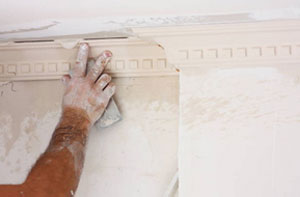
To prevent further damage, it's important to conduct regular inspections and make timely repairs to rectify any problems promptly. Depending on the extent of the damage, repairs can be as simple as filling in cracks and smoothing out rough areas, or as complicated as replacing sections of the cornice or coving entirely. To ensure a seamless finish that matches the original pattern, it is important to repair cornices & coving using the correct techniques and materials.
Neglecting to maintain cornices and coving can cause damage that may compromise the building's integrity & structural stability. The beauty of coving & cornices can be maintained & the value of a property increased for many years with proper maintenance and repairs.
What Tradesman Puts up Coving?
The various types of tradespeople in the Castleside area who are involved with the installation of coving are determined partly by the material that is used and how complicated the job is. Specialist coving installers are the best people for the job as they're trained & have the equipment necessary to install the coving properly. Nevertheless many plasterers do save some time on the installation of plaster coving and decorative cornices & appreciate how to install this type of material. Wood coving installation may need the assistance of a skilled carpenter or joiner while experienced painters & decorators can also install light coving. In any case, regardless of the kind of specialist you choose, ensure that you look for someone who has experience and seen their previously completed projects in terms of coving.
Wooden Coving Castleside
Transform your space with the timeless appeal of wooden coving. Installed at the intersection of ceiling & wall, it offers a touch of decorative charm. From contemporary to classic, this coving is designed in various styles & finishes to accommodate different tastes and interior designs. Not only does coving add to the visual charm of your home, but it also hides any imperfections or unattractive joints where the wall meets the ceiling.
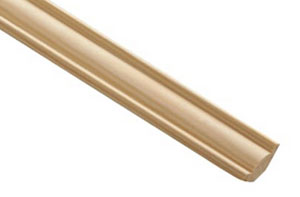
To guarantee that wooden coving looks professional and fits seamlessly, one must possess precision and skill. The process involves measuring the room, cutting the coving to the required dimensions, and fixing it in position with adhesive & nails. To make sure the coving matches your current decorative scheme, you may also need to sand it down carefully & then stain or paint it. Some DIY fans might choose to do this job themselves, but hiring professionals for installation ensures a flawless finish.
Professional installation services take the headache out of fitting wooden coving. The job is accomplished proficiently and to a high standard of workmanship, thanks to the expertise and tools brought by experienced installers. From the initial consultation & measurements right through to the finishing touches, they manage everything, leaving you with coving that beautifully enhances the character of your home in Castleside. Ensuring the coving is both durable & visually attractive, investing in expert installation also saves you valuable time. (Wooden Coving Castleside).
Picture Rails
Picture rails are horizontal mouldings attached to walls, typically located twelve to twenty four inches below the ceiling. The original purpose was for hanging pictures without using hooks, nails, or screws, thereby avoiding damage to the walls. Rather than drilling holes in the wall, you can use hooks that sit on the rail, making it simple to move or change your artwork or photos whenever you wish.
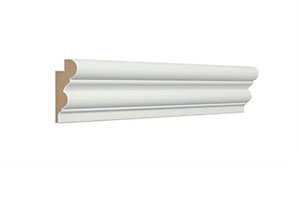
Very popular in Victorian and Edwardian homes, these rails added both functionality & a decorative accent to rooms. They remain popular in older properties, but a considerable number of people in Castleside also install them today for their classic aesthetic & practicality. Picture rails also provide a visual diversion on tall, featureless walls, adding a touch of character to any space.
If you possess some basic woodworking skills, putting up a picture rail is a fairly straightforward DIY project. It requires measuring, cutting the rail material to fit, and securing it to the wall, most often with screws or nails. After being put in place, the rail allows for painting or staining to match your existing decor, making it both a stylish and useful addition to any room. If you're unable or unwilling to do this type of work, you'll need to get in touch with a local Castleside coving fitter. (Picture Rail Installation Castleside)
Dado Rails
Dado rails are decorative mouldings that are installed horizontally around the wall of a room, originally intended to prevent damage to the plaster around walls caused by furniture. Although they have lost some of their original function, dado rails are now valued most for decorative purposes. They help to create interesting design features that can be especially appreciated in old dwellings that bear beautiful decorative details or are adapted in a traditional style. However, dado rails can be also used in modern interiors in Castleside for obtaining bold wall design effects. The dado rails can be found in different profiles & compositions. They can be made from wood, MDF, or polyurethane, and painted in a way that they will blend or contrast with the surrounding design.
Coving Related Tasks

Castleside coving specialists will likely help with decorative cornice installation for high ceiling interiors, ceiling rose installation to complement decorative coving designs, polyurethane coving, fancy panel mouldings, coving installation quotations, Edwardian coving Castleside, fancy plaques, kitchen cornice installers in Castleside, bespoke coving, bespoke coving installation to suit individual room designs, the cutting of coving, coving repairs, cutting coving mitres, plaster cornice repairs, lightweight coving fitting for quick & tidy installations, repairing cracked plaster coving & damaged decorative mouldings, matching new coving to existing period mouldings, cornice mouldings, cornice coving, decorative fire surrounds, picture rails, coving for lights, ornamental corbels, duropolymer coving in Castleside & other coving related work in Castleside, County Durham. These are just some of the duties that are accomplished by local coving fitters. Castleside companies will be happy to tell you about their full range of coving services.
Coving Enquiries

Recent coving customer enquiries: Tamara Whyte said - Want coving installed before our new flooring goes down. Louisa Watson said - After somebody experienced with ornate plaster coving. Guy Wheeldon said - Looking for a reliable coving fitter who turns up when they say they will. Ignacy Bannister wrote - I need someone in Castleside to remove old polystyrene coving & replace it with something that looks much smarter. Monica Samuel wrote - After a quote for decorative cornice installation in our Victorian sitting room to match the original features as closely as possible. Jaydon Byrne from Templetown said - Want coving installed with neat joints & sharp corners.
 FAQ: Here are a few of the most frequently asked questions about coving and coving installation: Should coving be painted before or after installation? Can coving be fitted after decorating? Can damaged coving be repaired? Why is my coving coming away from the wall? Do all rooms need coving? How do you remove old dado rails without damaging the wall? Are cornices still popular? What is plaster coving? Is lightweight coving any good? Which material is best for coving?.
 Coving Installation Castleside
Coving Installers Near Castleside
Coving Fitters Castleside
Coving Installation Castleside
Coving Installers Near Castleside
Coving Fitters CastlesideCoving Installers Near Castleside
Also find: Muggleswick coving installers, Rowley coving installers, Templetown coving installers, The Grove coving installers, Mosswood coving installers, Consett coving installers, Moorside coving installers, East Butsfield coving installers, Carterway Heads coving installers, Snods Edge coving installers, Waskerley coving installers, Healeyfield coving installers, Edmundbyers coving installers, Knitsley coving installers, West Butsfield coving installers, Shotleyfield coving installers, Allensford coving installers coving fitters & more near Castleside, County Durham. The vast majority of these villages & towns are served by local coving fitters. Castleside home and business owners can get estimates by going here.
More: Ceiling Cornices, Coving Upgrades, Heritage Cornices, Coving Services, Coving Restoration, Coving Replacement, Polyurethane Coving, Cornice Replacement, Coving Supply, Decorative Mouldings, Coving Fitters, Gyproc Coving, Coving Fitters, Coving Refurbishment, Custom Coving, Plaster Mouldings, Coving Removal, Coving Fitting, Gyproc Coving, Coving Fitting.
Coving fitters DH8 area, and dialling code 01207.
TOP - Coving Installation Castleside
Coving Fitters Near Me, Coving Specialists Castleside, Coving Removal, Coving Repairs, Coving Installation Castleside, Dado Rails and Mouldings, Cheap Coving, Coving Fitters Castleside, Covings and Cornices, Cornices, Coving Installers Castleside, Ceiling Rose Installation
