
Street Coving Installation (BA16): If the sharp lines between walls & ceilings are something you dislike you might want to consider softening them by the use of coving and ornate mouldings. Although the use of coving has shot in and out of fashion over the years, countless homes in Street are adorned with this versatile material. Of course the decision of whether or not you opt to have coving put up in your property is simply down to personal preference. Would you prefer sharp, modern lines between your walls and ceilings or smooth, classic transitions?

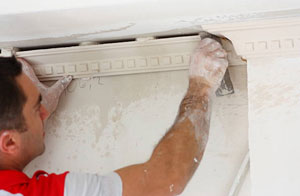
What is Coving? - Coving is a decorative, curved moulding material bought in strip form, which is used to cover up the sharp surface transitions between a room's ceilings and walls. Amongst the numerous materials from which coving can be made are paper covered plaster, gyproc, plastic, hardwood, hardened polyurethane, PVC, MDF, expanded polystyrene, and duropolymer.
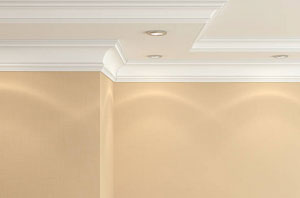
Along with a choice of materials, you will also need to select a shape such as cavetto, ovolo, cyma recta, cyma reversa (or ogee), egg & dart, step, Victorian, Edwardian, art deco, and dentil.
A further consideration to make is the age and style of your Street property, which affects the sort of coving that would look best. Understated designs work best in more modern properties, while intricate cornices suit older properties better. The dimensions & height of the room also need to be considered; an overly detailed design may overtake a small room. A reputable coving installer can offer advice on what kind of profile would be suitable and make sure that the end result is in harmony with the surroundings.
A room's interior design can be finished off with a subtle yet striking addition in the form of coving. By softening the transition between walls and ceilings, coving can add a touch of sophistication to your home's look. With numerous materials and patterns to choose from, finding the perfect coving for your home can be an overwhelming process. When selecting coving, it's crucial to take into account your personal taste and the decor of your home. For optimal results, it's essential to make certain that coving installation is completed to a high standard.
If this all sounds a bit confusing to you, there is help available. It will be most helpful to get some advice from an experienced Street coving installer, which should put everything in perspective. You obviously wish to get the highest quality coved finish on your Street home, and getting professional help will get you on the right track.
It might be that you already have coving in your home and you simply need a local Street coving installation expert to carry out repairs or refurbishment. While coving and mouldings last for many years, when installed correctly, once in a while they will need a bit of TLC. This could be required for coving, ceiling roses, dado rails, cornices, picture rails, panel mouldings, fire surrounds, corbels, dado corners, or wall plaques.
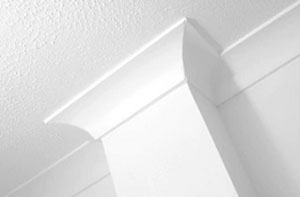
When considering tradesmen for your coving work you have a few choices. You could find a specialist coving fitter in Street, you could employ a plasterer, or in the case of wooden mouldings, a joiner. Whichever it is that you choose to employ, it is always sensible to check that they are proficient at work like this and that they're confident in what they're doing. If a good quality finish is critical to you (as it should be), you need someone with a careful & diligent approach to their work.
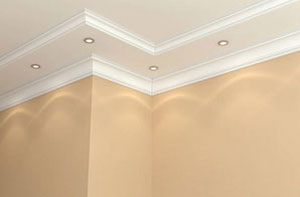
Automatically going for the cheapest quotation is a mistake a lot of folks in Street make when picking out a coving installer. Having to call in someone else later, because your first (cheap) choice resulted in a shoddy standard of workmanship is something you should avoid. If you take some care & time over picking the right tradesperson, it is likely that your coved room will look beautiful when it is completed.
When you are hunting for coving fitters in Street, there are a variety of ways in which you can do it for instance you could search through local newspapers or directories, you could make use of a trade review portals like Checkatrade or Rated People, you can look on Facebook or Instagram, or you could check out the Federation of Master Builders website and use their search facility for trusted plasterers and coving installers in the Street area. You can find coving products like packs of coving, coving adhesive, coving corners, coving cutting tools, and cornices by going to B&Q, Coving Direct, Wickes or Jewson, and you're able to purchase equipment and tools for plastering & coving (if you fancy having a go on your own) by heading over to Tool Station, Artex Ltd or Screwfix.
The Professional Installation of Coving
Choosing between DIY & professional coving installation hinges largely on considerations regarding the budget, one's skill set & the project's level of difficulty.
- Expertise & Precision: Bringing their vast experience & skills, professional installers are adept at working with all sorts of coving materials, including the heavier plaster. They guarantee precise measurements & accurate cutting, a necessity for fitting into uneven spaces or for elaborate patterns.
- Time Efficiency: The use of a professional can significantly reduce the time to complete the project, as they have the right tools & methods to facilitate a faster process, a major benefit for substantial or complicated installations.
- Quality Assurance: Professional installation typically ensures quality. Experts are proficient at providing a seamless finish, with coving that's accurately aligned and reliably secured, crucial for maintaining a polished appearance & the coving�s long-term viability.
- Safety: Installing coving often involves handling heavy materials & working at height. Professionals are trained to work safely in these conditions, reducing the risk of accidents.
- Cost Implications: The main disadvantage of coving installation by a professional lies in its expense. Often, it's notably costlier than undertaking the project yourself, especially when using more expensive materials such as plaster coving.

Coving installation can be carried out in Street & also in: Northover, Glastonbury, Butleigh, Shapwick, Baltonsborough, Butleigh Wootton, Beckery, Meare, West Pennard, High Ham, Overleigh, Lower Leigh, Compton Dundon, Stone Hill, Ashcott, Walton, and in these postcodes BA16 0DQ, BA16 0DJ, BA16 0GF, BA16 0JF, BA16 0HE, BA16 0DS, BA16 0NU, BA16 0HB, BA16 0JE, BA16 0AF. Local Street coving specialists will most likely have the telephone dialling code 01458 and the postcode BA16. Checking this can guarantee you access locally based coving fitters. Street home and business owners can utilise these & various other coving related services.
Polyurethane Coving
Polyurethane, a synthetic & lightweight polymer, is celebrated for its durable & versatile nature. Offering several distinct advantages, polyurethane coving mimics the intricate patterns of traditional plaster coving.
The Benefits of Polyurethane Coving:
- Light in Weight: Polyurethane coving offers the best of both worlds: remarkable strength and a remarkably lighter weight than plaster. This winning combination makes it easier to install and handle, even for DIY enthusiasts. Furthermore, the lighter weight lessens the risk of damaging your ceilings and walls during installation.
- Durability: A serious downside to plaster coving is its tendency to become brittle and break over time. Polyurethane coving overcomes this weakness entirely. Its exceptional resistance to chipping, warping and cracking guarantees a beautiful and long-lasting addition to your property.
- Resistance to Moisture: Moisture-prone areas like kitchens and bathrooms can be breeding grounds for mould growth on susceptible coving materials. Polyurethane coving eliminates this concern. Completely unaffected by moisture, it remains mould-free and maintains its beautiful appearance for years into the future.
- Low Maintenance: Polyurethane coving, in contrast with the easily crumbled plaster, necessitates minimal care, only asking for occasional cleaning or dusting.
- Cost-Effective: The initial cost per metre of polyurethane coving may be a tad higher than basic plaster. However, remember - the lower risk of damage during fitting and ease of installation can lead to substantial savings overall, making polyurethane a more cost-effective choice over time.
- Versatility: Polyurethane coving is by no means a one-size-fits-all solution. With a huge range of styles, from contemporary minimalist elegance to classic Victorian grandeur, you have the freedom to unleash your design vision. Find the perfect coving to accentuate your existing d�cor and create a space that truly reflects your own unique style.
- Pre-Primed: One of the key benefits of polyurethane coving is its time-saving advantage. Most coving comes pre-primed, meaning you can skip the priming step altogether. Simply apply your chosen topcoat and achieve a gorgeous, professional-looking finish with very little effort.
- Ease of Installation: This type of coving can be installed using simple tools and easily accessible adhesives. This makes it a DIY-friendly option, although professional installation is generally recommended for intricate coving designs or advanced projects.
As an alternative to traditional plaster coving, polyurethane coving provides both aesthetic appeal and practicality. Polyurethane coving has captured the hearts (and homes) of both interior designers & property owners. This winning combination of easy installation, durability, and a vast array of styles makes it a universally popular choice. Carefully planned and flawlessly installed, polyurethane coving has the ability to transform any room in your Street property, imbuing it with a hint of timeless sophistication & elegance.
What's the Difference Between Cornice & Coving?
A typical question that we're asked is "What exactly is the difference between cornice and coving?" and this can be very mystifying for a lot of people in Street. The reply that you'll possibly not be anticipating, is that they are in essence the same. If you had to draw a disparity between the two, it would be that covings are basically simple in design, while cornices are much more ornate. In Street in the post-world war period, the term coving was formerly used to describe a plain "C" shaped moulding that was extremely popular at the time. In contrast, cornices are usually exceedingly complex mouldings, which are tricky to install and call for the skills of a specialist craftsman in Street.
Plaster Coving
Plaster coving is a traditional method of decorative moulding. It requires two people with experience and a high level of expertise to install properly. Plaster coving is one of the oldest ways to decorate walls in Street. It is made from lime and gypsum that are consolidated with hessian fibre. Once dried, this material hardens into a smooth, solid stone. This material is often used to install ceiling roses & coving.
Before installing plaster coving, plan & mark its layout. The length of each piece should match the length of the adjacent ceiling or wall. The length of the coving should be as accurate as possible, and each piece should be level. You can then trim the pieces to eliminate gaps. Then, apply a thin layer of coving adhesive to the join where one piece of coving meets the next. This should ensure a strong bond & prevent cracks in the future.
Plaster coving is a decorative plasterwork element that ties the walls and ceiling together. It is typically fixed in the wall-to-ceiling joint and can be used in coiffured ceilings, recessed ceilings & lighting troughs. It is available in a variety of sizes & period designs and is highly fire-resistant.
Plaster Cornice Repairs
Plaster cornice repair is a crucial aspect of maintaining the visual appearance of a building's interior. Cornices, the decorative molding found at the joint between ceilings and walls, are vulnerable to damage caused by general wear & tear, moisture or accidental impact.
The expertise of a skilled craftsman is required to successfully repair a plaster cornice, as they are capable of assessing the extent of the damage & devising a suitable restoration plan. Cleaning the area, removing any damaged or loosened plaster, and filling in the gaps with new plaster is the usual repair process for a plaster cornice. Replicating intricate designs or patterns is a skill possessed by craftspeople, ensuring that a repaired cornice matches the original design.
Neglecting to repair a damaged cornice may result in further deterioration & pose a safety risk to the building's structural integrity. Seeking the aid of a specialist is critical for any repair work on a plaster cornice.
Repair & Maintenance
The repair and maintenance of coving and cornices are integral to preserving your property's good condition. Over time, the beauty of cornices and coving, which can add an elegant touch to a room, can diminish due to damage, discolouration or cracks.
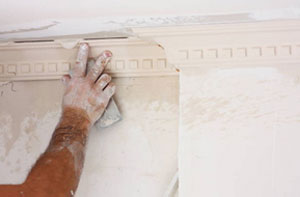
To avoid additional damage, frequent inspections must be conducted to quickly identify any problems and make necessary repairs. The repair required for coving & cornices will vary depending on the extent of the damage, ranging from basic filling of cracks & smoothing of rough areas to the more complex replacement of sections. Using the correct techniques and materials when repairing cornices and coving is essential to ensure a flawless finish that matches the original design.
The original beauty of cornices & coving can be sustained by regular cleaning & dusting, as well as repairs, to prevent the accumulation of grime & dirt. If cornices and coving are taken care of and fixed properly, they can preserve their attractiveness & increase the value of a property throughout the years.
Wooden Coving Street
Wooden coving is a decorative element installed where the ceiling meets a wall, adding a touch of elegance to any room. It is produced in a multitude of finishes & styles, from classic to contemporary, to complement various tastes & interior design schemes. Not only does coving enhance the visual appeal of your home in Street, but it also covers any unattractive joints or imperfections at the junction of the ceiling & wall.
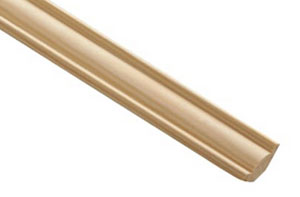
For wood coving to fit seamlessly & look professional, skill & precision in installation are necessary. The process involves accurately measuring the area, cutting the coving to the correct size, and attaching it securely with nails & adhesive. Careful sanding & painting or staining might also be needed to complement the coving to your current decorative scheme. Despite some do-it-yourselfers potentially tackling this task alone, securing professional coving installers assures a flawless and long-lasting finish.
By hiring a professional installer, you can take most of the hassle out of fitting wooden coving. With the necessary tools & expertise, experienced installers ensure the job is completed successfully & to a high standard of workmanship. In order to leave you with perfectly executed coving that enhances the character of your home in Street, they will manage everything from initial consultation & measurement to the final touches. Saving you time & guaranteeing that the coving is aesthetically pleasing and durable, investing in expert installation is a wise choice. (Wooden Coving Street).
Picture Rails
Usually situated a foot or two under the ceiling, picture rails are horizontal mouldings that are secured to walls. Originally, they were designed to hang pictures without causing damage to the walls with nails, hooks, or screws. Instead of drilling into the wall, you can use picture hooks that attach to the rail, making it simple to adjust your photos or artwork as needed.
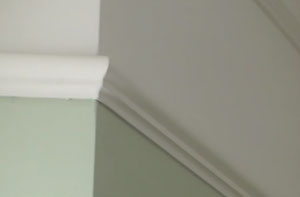
Adding both functionality and a decorative touch, these rails were widely popular in Edwardian and Victorian homes. Although they are often seen in older homes, a good few people in Street continue to install them today for their practical use and timeless appearance. Picture rails also provide a visual diversion on tall and featureless walls, adding a touch of character to any room.
If you're handy with some basic handyman, installing a picture rail is a simple do-it-yourself project. It involves taking measurements, cutting the rail to size, and securing it to the wall, usually with screws or nails. You can stain or paint the rail to suit your interior decor after it's in place, making it a functional and stylish element in any room in your home. If this type of work is beyond your capabilities or you prefer not to do it, you will have to reach out to an Street carpenter or coving specialist. (Picture Rail Installation Street)
Ceiling Roses
Ceiling roses are ornamental features that are usually placed in the middle of a ceiling & often provide the surrounding area of a hanging lamp or chandelier. They are available in various styles, shapes & materials and are a great decorative element that is suitable for any room. Elaborate ceiling roses suit Victorian & hostoric buildings in Street best, while simple ones work fine for modern interior designs. Although in the past ceiling roses were mostly made of plaster, nowadays they can be manufactured of other lightweight materials (such as polyurethanes and polystyrenes), which makes installation a lot easier. When you choose a ceiling rose, it's essential to keep in mind the dimensions & design of the room and the existing coving and mouldings.
Coving Related Tasks

Street coving specialists can generally help you with decorative plasterwork, wooden coving, gyproc coving installation for newly plastered rooms, wooden cornice, contemporary coving Street, ornate fire surrounds in Street, coving restoration, ornate panel mouldings, cornicing mouldings, polystyrene coving Street, ogee coving Street, Victorian coving Street, plaster coving installation for traditional & period properties, cornice coving, restoration of original plaster cornices & ornate features, coving refurbishment, polystyrene coving installation for low-cost home improvements, polyurethane coving, gyproc coving, duropolymer coving fitting with clean seamless joints, plaster cornice repairs, bedroom coving installations, cornice installation & other coving related work in Street, Somerset. Listed are just a few of the duties that are undertaken by local coving fitters. Street specialists will keep you informed about their entire range of coving services.
 Coving Installation Street
 Coving Installers Near Me
 Coving Fitters Street
Coving Installers Near Street
Also find: Lower Leigh coving fitters, West Pennard coving fitters, Butleigh Wootton coving fitters, Meare coving fitters, Stone Hill coving fitters, Overleigh coving fitters, Baltonsborough coving fitters, Walton coving fitters, Northover coving fitters, Glastonbury coving fitters, High Ham coving fitters, Compton Dundon coving fitters, Butleigh coving fitters, Shapwick coving fitters, Beckery coving fitters, Ashcott coving fitters coving fitters and more near Street, Somerset. The lion's share of these villages & towns are covered by local coving fitters. Street residents can get coving estimates by going here.
More: Cornice Fitting, Cornice Replacement, Cheap Coving, Traditional Coving, Traditional Coving, Period Cornices, Moulding Installation, Plaster Cornices, Feature Cornices, Period Cornices, Cornice Replacement, Coving Cutting, Cornice Repairs, Plaster Mouldings, Plastic Coving, Feature Cornices, Decorative Mouldings, Coving and Cornices, Moulding Repairs, Coving Services.
Coving fitters BA16 area, (dialling code 01458).
TOP - Coving Installation Street
Coving Specialists Street, Coving Fitters Street, Covings and Cornices, Coving Fitters Near Me, Coving Removal, Coving Installation Street, Cornice Installation, Cornice Fitters, Ceiling Rose Installation, Cheap Coving, Dado Rails and Mouldings, Coving Installers Street
